
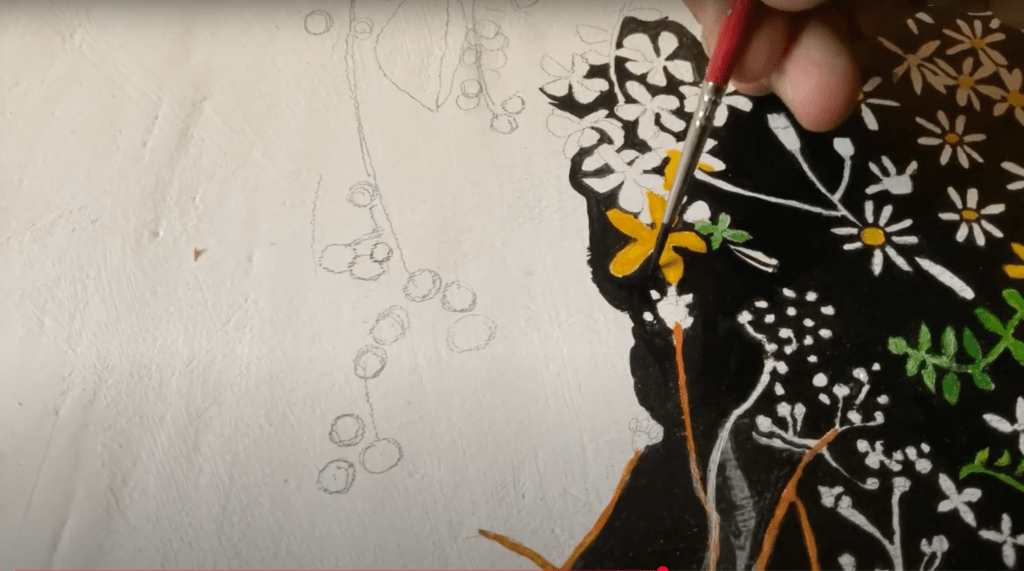
Egg tempera isn’t bought. It’s conjured. The recipe is older than oils, older than acrylics, as old as monks in candlelight.
You’ll need a vessel—glass, small, test-tube-like. Something worthy of holding gold. Crack an egg under a slow trickle of water, let it fall into your palm. Rock the yolk gently back and forth while the stream carries away the whites. Save them if you wish; alchemy wastes nothing.
Now cradle the yolk in one hand and pierce it with the other. Watch as the golden heart spills into your waiting vial. This is the binder: the soul of the paint.
Next comes water. You may choose distilled water, clear and clean. Or water drawn from a hidden spring. Or, if you’re feeling whimsical, the tears of an elf. Whatever your source, mix it in equal measure with the yolk.
To guard against decay, add a drop or two of vinegar—otherwise, in a few days, your creation will reek of rot. Seal your vial and shake it like a sorcerer mixing a potion.
Now awaken the colors. Pigments from the wild, or ground by your own mortar and pestle, or even store-bought powders if that’s your path. Mix them with your yolk potion, and with a brush lay them down on true gesso panels.
That’s it. You’ve summoned egg tempera. Not bought, not borrowed—made. Ancient, luminous, and alive.
Materials You’ll Need
- 1 fresh egg
- A small glass vial or test tube
- Distilled (or clean) water
- Vinegar (optional, for preservation)
- Pigments (store-bought or hand-ground)
- A small brush
- Panels prepared with true gesso (more on that another time)
Steps
- Separate the Yolk
- Crack the egg under gently running water into your palm.
- Roll the yolk back and forth until the egg white washes away. You can save the whites or discard them.
- Extract the Binder
- Holding the yolk gently, puncture it with your other hand.
- Let the liquid yolk pour into your vial, leaving the membrane behind.
- Mix With Water
- Add an equal amount of water (1:1 ratio).
- Distilled water is best, but spring or even tap water works fine.
- Preserve the Mixture
- Add 1–2 drops of vinegar to prevent spoilage.
- Seal the vial and shake well until fully blended.
- Add Pigments
- Mix your yolk-water binder with pigment.
- Adjust pigment amounts until the mixture feels right to your brush.
- Paint
- Use a fine brush and paint over a surface prepared with true gesso.
- Work in thin, layered strokes—egg tempera dries fast.
 Once Upon a Time there was an Artist Named Garry Sanipass…
Leave a comment